
Insight
Bridging European Partnerships: Connecting, Sharing Growing
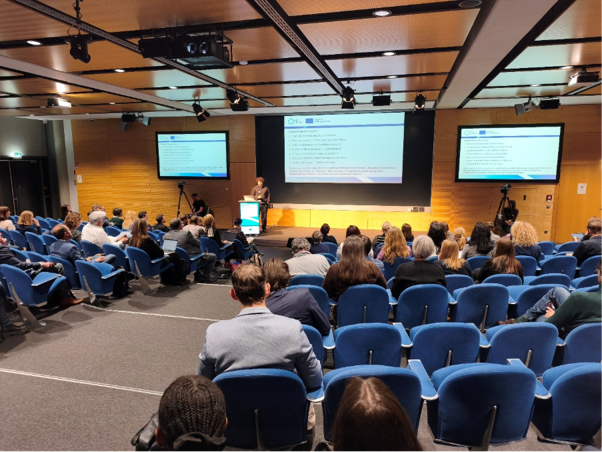
The European Partnerships networking event on the 18th November 2026 in Vienna, coordinated by ERA LEARN, provided an important opportunity for partnerships to congregate, discuss implementation and share practical knowledge through coordinated workshops, networking and plenary sessions.
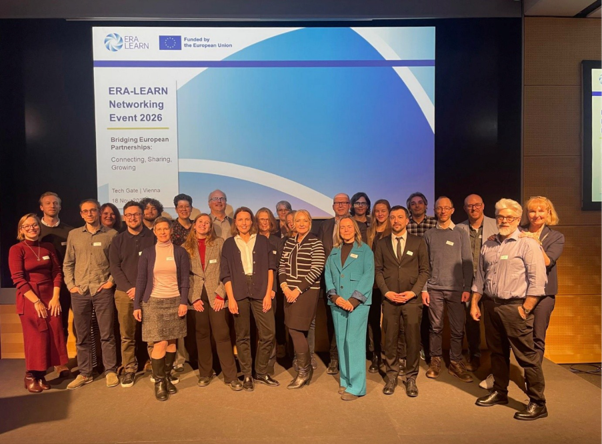
What is ERA-LEARN? ERA-LEARN is a Horizon Europe-funded support platform for the R&I partnership community, serving policymakers, partnership managers and researchers. Its current four-year phase (2023–2027) builds on activities dating back to 2009. ERA-LEARN maintains a unique database of partnership initiatives, calls and funded projects, alongside practical guidance, tools and good practice examples covering governance, legal issues, joint calls and wider partnership activities.
As part of the ERA-LEARN consortium, Optimat supported the design and delivery of the networking event which saw hundreds of delegates in attendance covering a wide portfolio of partnerships alongside attendance from the European Commission. This event built on the strong relationships and experience that ERA-LEARN has when it comes to European innovation funding and action.
The networking event encouraged interactive discussion, with a programme shaped by proposals from European Partnerships. Optimat contributed to workshops A1 and A2, while Director and Senior Consultant, Hayley Welsh led workshop B1, “From Projects to Impacts”. Key findings were shared with delegates during the afternoon plenary, and Optimat has drawn together high-level reflections from its participation in the event.
Making impact pathways useful
Theories of change can help Partnerships explain how research activities are expected to lead to wider benefits. Their value also lies in helping programme teams decide what evidence they need and how they will use it.
Discussions highlighted the importance of treating these frameworks as working tools, updating them as projects progress and new evidence emerges. Combining quantitative data with qualitative findings can build a fuller picture of scientific, economic and societal contributions, while keeping monitoring proportionate.
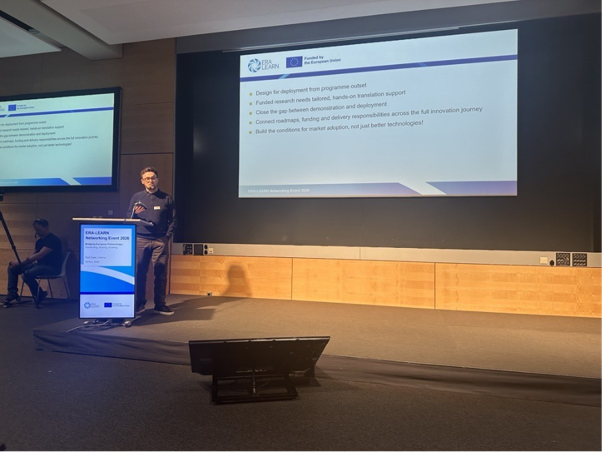
Helping results reach the right people
Partnerships have an opportunity to look across individual projects and bring together findings that may be more useful when considered collectively. This can help identify common themes, gaps and opportunities that individual project communications might miss. Metrics and case studies both have a role, alongside formats that make research accessible to different audiences. Projects also need support to communicate effectively and partnerships can support this through, for example, the provision of training, opportunities to exchange ideas and help in presenting findings can make it easier for results to reach potential users.
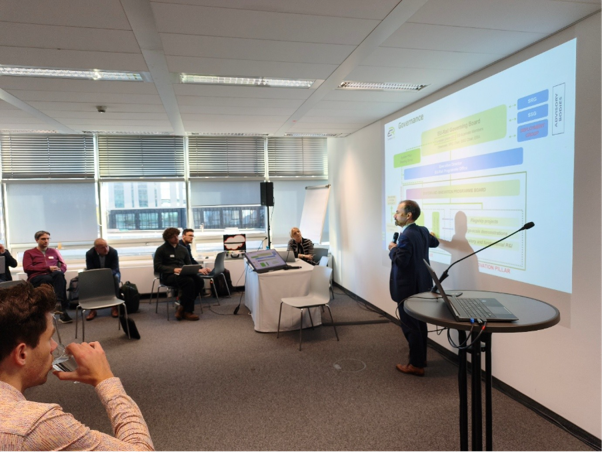
Using governance to support delivery
Governance arrangements influence how well Partnerships connect research activities with their wider objectives. Clear responsibilities, coordination and engagement with national bodies help maintain that connection as programmes develop. The discussions showed how governance can support active programme steering. Regular reviews of project progress and results give programme teams opportunities to identify dependencies, address gaps and coordinate related activities. For Partnerships developing complex technologies, this also means considering how results from different projects will work together and what is needed to prepare them for wider use.
Turning project data into useful knowledge
European Partnerships gather a wealth of information from the projects they fund. Bringing this together can help them understand what their portfolio is delivering and how results could be used more widely. Doing this is not straightforward. Information may be spread across project reports, websites and other outputs, with differences in format, detail and reporting timescales. Making it consistent and accessible takes time and resources, particularly when trying to keep information up to date without adding to projects’ reporting burden. Addressing these challenges can help Partnerships identify common themes, connections and gaps across their portfolios, inform programme decisions and make relevant findings easier for others to use. Planning how this knowledge will remain accessible after projects and Partnerships end is also important.
Planning for impact beyond project completion
Wider benefits may emerge years after a research project finishes, when contact with the project team has become harder to maintain. This creates a practical challenge for longer-term monitoring and evaluation. Participants discussed approaches including follow-up surveys, ongoing engagement and setting expectations for future reporting at the proposal stage. Planning early can help Partnerships retain the evidence and relationships needed to understand their longer-term contribution.
The value of bringing people together
Conversations continued beyond the workshops and into the networking spaces. Alongside the formal presentations, the event gave participants time to compare experiences and explore questions specific to their own Partnerships. That exchange was a valuable part of the day: the opportunity to meet someone facing a similar challenge, hear what they have tried and take useful ideas back to the team.
As FP10 negotiations progress, there is broad support for a more streamlined, strategic and coordinated Partnerships landscape. The challenge now lies in translating this ambition into effective implementation. Reimagining Partnerships is not about moving away from a proven instrument but about strengthening relevance and effectiveness in an increasingly competitive and rapidly evolving landscape. In this context, the robust monitoring and evaluation of Partnerships’ impacts is increasingly important to demonstrate added value, inform strategic decision-making and ensure that Partnerships deliver on their intended objectives.
To find out more about the event and explore guidance, tools and other resources for European Partnerships, you can visit the ERA-LEARN website.